
CNC Router for Metal
Table of Contents
This article dives into the benefits of using Japanese-made CNC routers for metal cutting, taking into account the distinct characteristics of metal machining. We also introduce real-world case studies and the types of metals that can be processed with CNC routers—valuable insights for manufacturers considering metal applications.
Characteristics of Metal Cutting
Metal cutting is a machining process that uses specialized machines such as lathes and milling machines to precisely shape and size metal materials. Because the process does not rely on molds, it allows for highly accurate manufacturing. However, it is generally not ideal for high-volume production.
Different metals vary in hardness and ductility, requiring adjustments in cutting speed, feed rate, and tooling. For instance, aluminum is relatively soft and easy to work with, while stainless steel is harder and more difficult to process. Depending on the material, you also need to consider how to manage heat buildup and chip removal during cutting.
Advantages of Using Japanese CNC Routers for Metal Cutting
One of the key benefits of using Japanese-made CNC routers is the ability to streamline operations while maintaining high precision. These machines can achieve greater dimensional accuracy than manual methods, significantly reducing labor hours typically required in metal cutting tasks.
Japanese CNC routers often excel in precise control of cutting paths, speeds, and tool angles based on design data. Their advanced programmatic control allows them to adapt to the unique properties of metals, helping address common challenges such as warping or cracking during machining.
Metal Cutting with Japanese CNC Routers
Cutting Aluminum Nameplates with a CNC Router
Machine used: NCN1000
This case involved machining nameplates made from 5000-series aluminum. The material was firmly clamped, and heat generated during cutting was effectively managed with a light oil mist coolant spray.
The cutting process utilized aluminum-specific two-flute end mills in three different diameters: 10mm, 3mm, and 1.5mm. By using the tools step-by-step, the team achieved a highly accurate and visually refined finish.
Source: SHODA
https://www.sessaku-c.com/result_detail.php?id=31
Die Cutting from High-Speed Steel (SKH Steel)
Machine used: MC8000
This case features the cutting of SKH steel, a material known for its wear resistance and hardness, to produce a precision metal die. The workpiece was securely held in a vise, and coolant was sprayed from four nozzles to efficiently remove heat during cutting.
The machining process began with rough cutting using a 10mm ball end mill, followed by intermediate finishing with a 6mm ball end mill. Final finishing was done with a 4mm ball end mill, resulting in a smooth surface finish.
The entire operation took approximately 1 hour and 53 minutes, successfully delivering a high-precision die from hard SKH steel.
Source: SHODA
https://www.sessaku-c.com/result_detail.php?id=29
Tapping Cast Metal with a CNC Router
Machine used: NC293A
This case involved a thread tapping process on cast metal, which often has challenges such as inconsistent material density and micro-bubbles. The workpiece was fixed in a vise, and a light mist oil spray coolant was used to reduce heat caused by friction.
First, a 17.5mm boring tool was used to pre-drill the hole. Then, an M20 tap was used to create internal threads. By gradually lowering the rotation speed and feed rate in stages, the process achieved smooth, high-precision threading.
Source: SHODA
https://www.sessaku-c.com/result_detail.php?id=16
Cutting Tools Commonly Used for Metal Machining with CNC Routers
When using CNC routers for metal processing, specialized cutting tools designed to handle the hardness and wear resistance of metals are essential. These tools are built for durability and precision. Here are some typical examples:
- End mills: Ideal for surface cutting and pocketing
- Ball end mills: Used for finishing curved surfaces and complex shapes
- Drill bits: For creating precise holes
- Tapping tools: For threading internal screw holes in metal components
- Boring tools: For fine-tuning the inner diameter of pre-drilled holes
The choice of tools—and their parameters such as spindle speed, feed rate, and coolant method—depends on the material type, hardness, shape, and type of operation (e.g., roughing, finishing, or threading). Understanding the characteristics of the metal beforehand and selecting compatible tools is crucial for achieving both precision and efficiency in metal machining.
How to Choose a CNC Router for Metal Cutting
When selecting a CNC router for metal processing, it's important to consider metal-specific challenges like material hardness, heat generation, and vibration.
First, ensure the machine has a sturdy and vibration-resistant frame. Since metal cutting involves high resistance, a router with a high-torque spindle is ideal. It's also recommended to check for built-in coolant systems, such as mist, oil, or air cooling, to efficiently manage the heat produced during machining.
Metal Cutting Techniques with CNC Routers
Metal machining with CNC routers involves various cutting techniques, each tailored to different material properties. Here are some of the most commonly used methods:
- Down-cutting: Produces smoother surface finishes by cutting downward
- Up-cutting: Efficiently removes chips by cutting upward
- Compression cutting: Uses both upward and downward flutes for clean results on both sides
- Pocketing: Cuts recessed areas
- V-cutting: Creates decorative grooves or bevels
- Surface contouring: Carves smooth, curved surfaces
While some of these techniques are also used for other materials, the cutting conditions and strategies differ significantly for metal. Metals tend to generate more heat and resist cutting, so slower speeds, high torque, and effective cooling systems are essential for success.
Summary: CNC Routers in Metal Machining
Traditional metal cutting methods include milling machines, lathes, laser cutting, waterjet cutting, and EDM (electrical discharge machining). Each has its strengths depending on material type, required precision, and production costs. However, it's often difficult to achieve both high accuracy and efficiency with these conventional approaches.
Enter CNC routers equipped with computer numerical control (CNC) technology. These machines offer the best of both worlds—dimensional accuracy and operational efficiency. Thanks to their precise control systems, CNC routers can carve out complex shapes while minimizing tolerances.
If you're looking to improve the efficiency of your metal cutting operations without compromising on quality, a CNC router might be the solution.
This media is sponsored by The SHODA Company
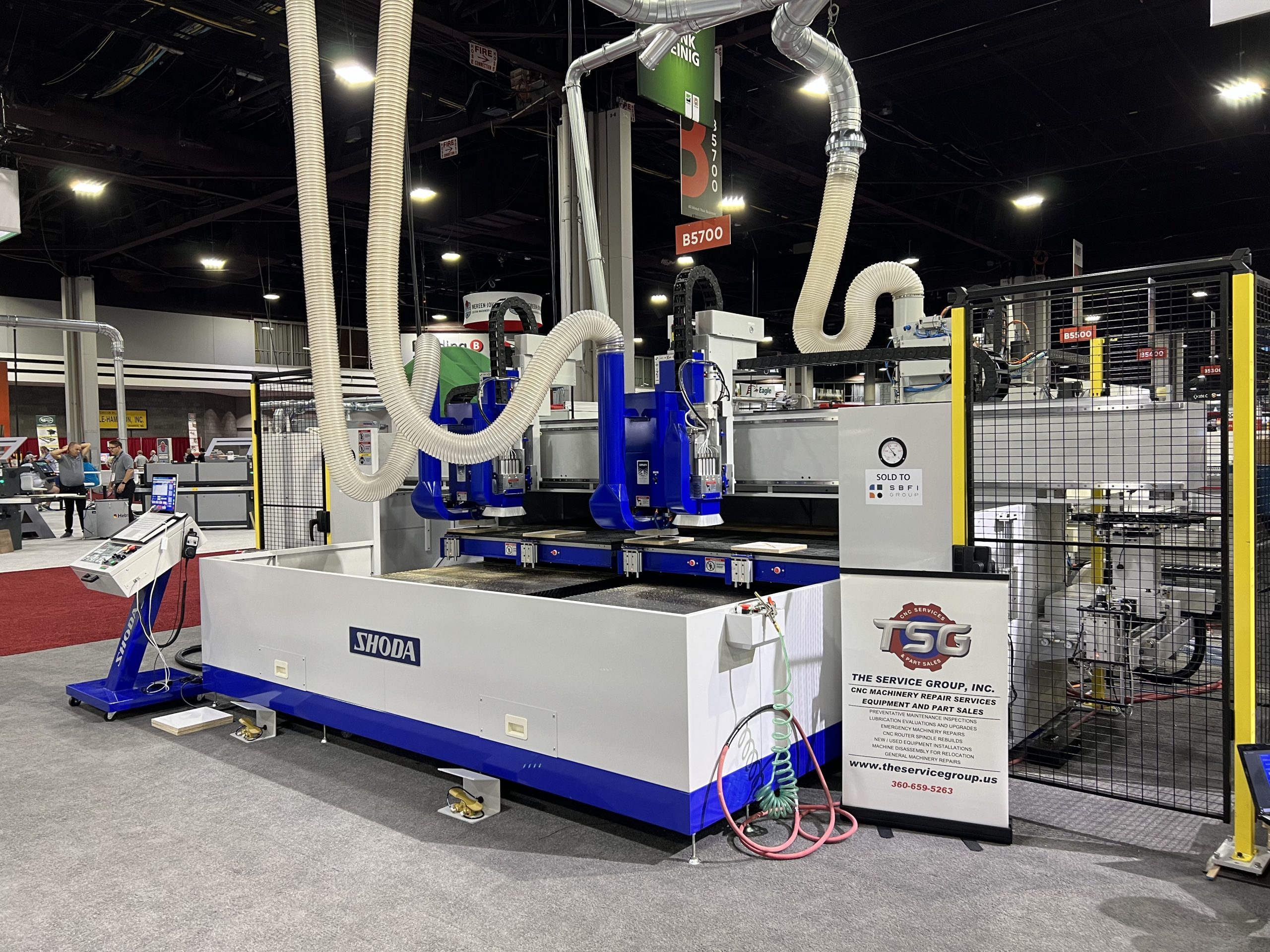
A Pioneer in Japanese CNC Router Technology
SHODA has been in business since 1926 and was the first company in Japan to develop an NC router. With a long history of precision machining, the company’s CNC routers are used to process a variety of materials—such as plastics, resins, and lightweight metals—with proven accuracy and reliability.
In 2014, SHODA developed a new type of NC router that doesn’t produce cutting dust. In many manufacturing environments, dust from machining can pose serious health risks if inhaled over long periods. SHODA’s solution to this issue has gained attention worldwide and is now used across the U.S., Europe, and Asia.