
CNC Router Guide » How to Buy and Import CNC Routers from Japan
A Guide to Importing and Buying Japanese CNC Routers
Japanese-made CNC routers (also referred to as NC routers) have been gaining attention in advanced manufacturing sites and R&D facilities across the United States due to their high precision and proven reliability. However, since these machines must be imported from Japan, the process involves challenges that differ from purchasing equipment domestically within the U.S.
This article explains how to import Japanese CNC routers and outlines the general process. It also covers important topics such as payment methods, warranty and support systems, as well as risks related to shipping and how to mitigate them. If you're considering introducing one of these machines to your facility, this guide will be a helpful starting point.
Direct Import from a Japanese Manufacturer
When dealing directly with a Japanese manufacturer, the first step is to negotiate the key terms—such as product specifications, lead time, and pricing.
Once an agreement is reached, the manufacturer will provide essential documents, including a Commercial Invoice, Packing List, and Certificate of Origin. In addition, you’ll need to prepare U.S. Customs documentation (such as CBP Form 3461 and 7501) to meet regulatory requirements.
Before shipment, it’s recommended to confirm packaging methods, shipping options, and customs procedures at the destination. Coordinating closely with a reliable freight forwarder or customs broker can significantly reduce the risk of logistical issues.
Purchasing Through a Distributor or Sales Agent
If you choose to purchase through a distributor or authorized sales agent, they typically provide professional support throughout the import process.
Depending on the provider, services may include document preparation, customs clearance, and after-sales support tailored for local customers—such as technical assistance, maintenance services, and troubleshooting. However, it’s not advisable to leave everything to the distributor. To ensure a smooth import experience, maintain close communication with the responsible party and plan your logistics proactively.
Payment Methods, Warranty, and Support for Japanese CNC Routers
Before ordering a CNC Router from abroad, three practical questions usually arise: how to pay, what the warranty covers, and how support works once the machine is on your floor.
This article gives a concise overview of the payment methods most importers use, typical warranty terms you can benchmark against, and the support channels available once the machine is on your production floor.
This media is sponsored by The SHODA Company
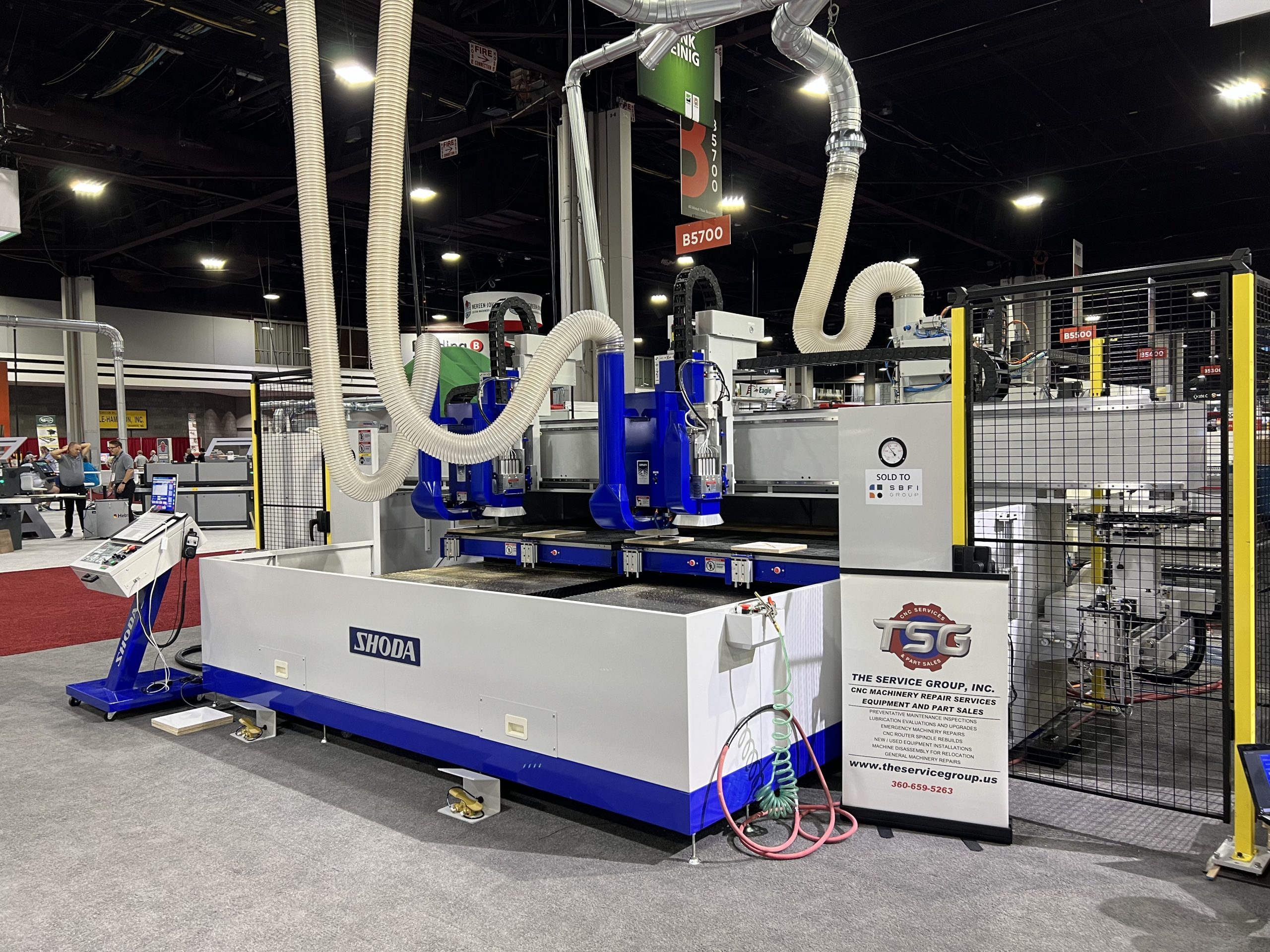
A Pioneer in Japanese CNC Router Technology
SHODA has been in business since 1926 and was the first company in Japan to develop an NC router. With a long history of precision machining, the company’s CNC routers are used to process a variety of materials—such as plastics, resins, and lightweight metals—with proven accuracy and reliability.
In 2014, SHODA developed a new type of NC router that doesn’t produce cutting dust. In many manufacturing environments, dust from machining can pose serious health risks if inhaled over long periods. SHODA’s solution to this issue has gained attention worldwide and is now used across the U.S., Europe, and Asia.