
CNC Router Guide » How to Buy and Import CNC Routers from Japan » Troubleshooting Japanese CNC Router Import Issues
Troubleshooting Japanese CNC Router Import Issues
Table of Contents
High-Precision, Durable, and Feature-Rich: Japanese CNC Routers Are Trusted Worldwide
Japanese CNC routers—known for their precision, durability, and advanced features—are widely used in manufacturing environments around the globe. However, when importing such equipment, it’s important to be aware of potential risks such as shipping damage or customs-related complications.
This section provides detailed information on common issues that can occur when importing Japanese CNC routers, along with effective strategies for prevention and mitigation.
Common Issues When Importing Japanese CNC Routers
1. Product Damage During Shipment
CNC routers are precision machines, and their components can be vulnerable to shock, vibration, or temperature fluctuations during long-distance shipping. Even minor impacts may result in internal damage.
Insufficient packaging or improper securing of equipment can increase the likelihood of outer box damage or internal misalignment of machine parts. Careful preparation and professional handling are key to avoiding these issues.
2. Customs Delays and Unexpected Charges
When importing Japanese equipment into the United States, you may be required to submit the following documents for tariff classification and verification. Missing or incorrect documentation can result in customs delays or unexpected charges:
- Commercial Invoice: Lists product name, model number, quantity, price, trade terms, and country of origin
- Packing List: Details contents, weight, dimensions, and packaging method
- Certificate of Origin: Certifies that the product is manufactured in Japan
- Import Declaration (e.g., CBP Forms): Required upon arrival in the U.S.
- UL Certification: Confirms compliance with U.S. electrical safety standards
- FCC Certification: Ensures the product does not emit harmful electromagnetic interference
Additional considerations may include accurate HS code classification, state-specific regulations (e.g., environmental rules in California), and manufacturer-issued compliance certificates. It's essential to address these in advance to prevent costly surprises.
This media is sponsored by The SHODA Company
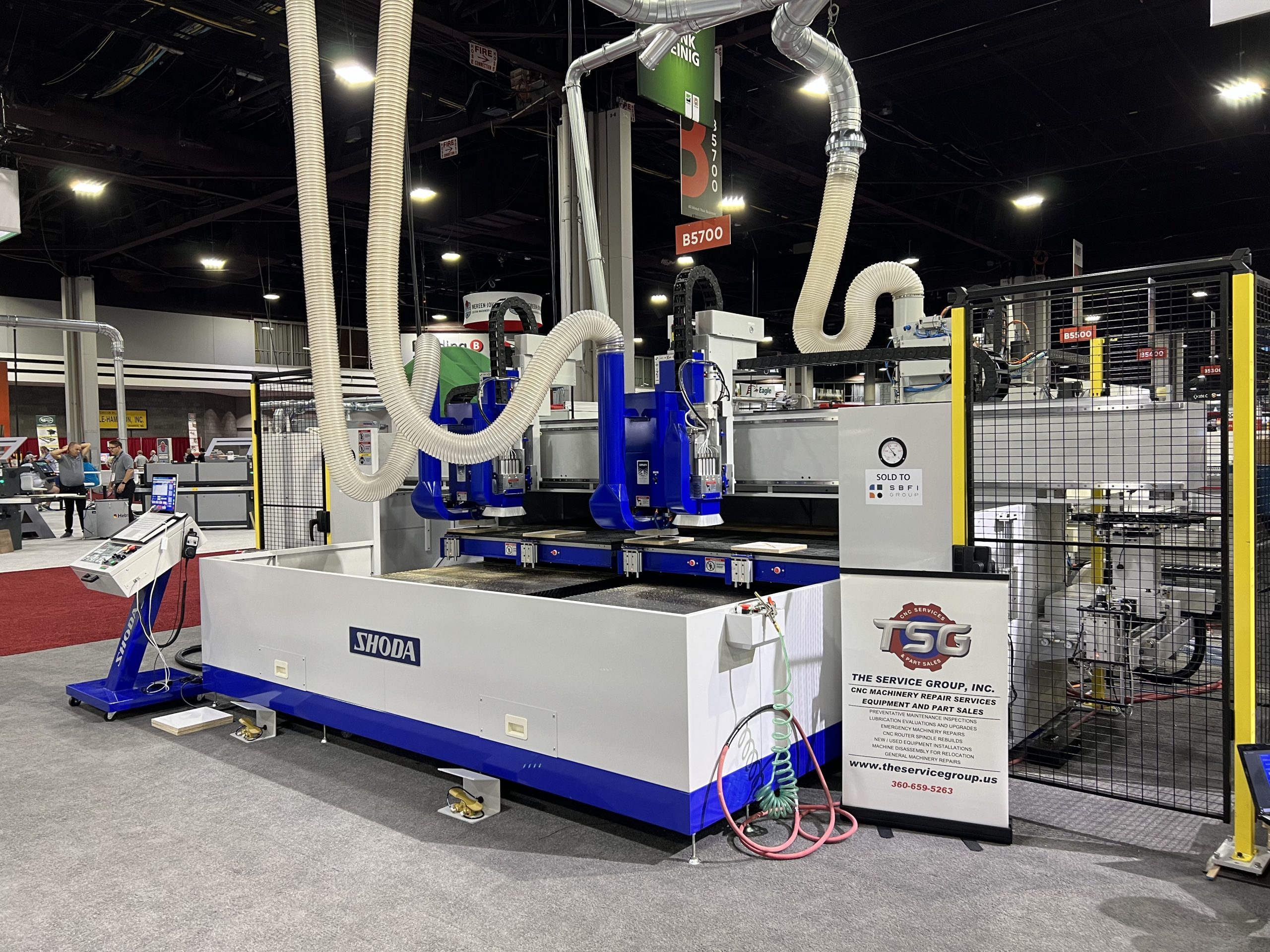
A Pioneer in Japanese CNC Router Technology
SHODA has been in business since 1926 and was the first company in Japan to develop an NC router. With a long history of precision machining, the company’s CNC routers are used to process a variety of materials—such as plastics, resins, and lightweight metals—with proven accuracy and reliability.
In 2014, SHODA developed a new type of NC router that doesn’t produce cutting dust. In many manufacturing environments, dust from machining can pose serious health risks if inhaled over long periods. SHODA’s solution to this issue has gained attention worldwide and is now used across the U.S., Europe, and Asia.