
CNC Router Guide » An Introduction to Japanese CNC Routers
An Introduction to Japanese CNC Routers
Advantages of Japanese CNC Routers
Since the 1950s, Japan has steadily built a reputation for precision engineering, and nowhere is this more evident than in the development of CNC routers. Today, Japanese-made CNC routers are trusted and used around the world—and for a reason.
Renowned for precision and durability, Japanese CNC routers stand out with advanced features like 5-axis control, auto tool changers, and IoT support—meeting the strict demands of industries from aerospace to woodworking.
Whether you're considering investing in a CNC router or are simply interested in Japan’s renowned manufacturing technology, this article will give you a deeper understanding of why Japanese CNC routers continue to lead the way globally.
The Reputation of Japanese CNC Routers in the U.S. Market
This article explores key trends shaping the CNC router (NC router) market in the United States, including the drivers behind its rapid growth, expanding demand across industries, and emerging challenges.
It also outlines the features of Japanese-made CNC routers that are particularly valued in the U.S.—from advanced precision to smart automation. For those aiming to differentiate from competitors or upgrade to more efficient machinery, the insights here offer a roadmap to success in the American market.
Comparing CNC Routers by Country
CNC routers (NC routers) are produced in many countries, including the U.S., China, and Germany. But how do Japanese-made CNC routers compare to those from other regions?
This article breaks down the key differences in performance, technology, and reliability across manufacturers. If you're considering which type to choose, this comparison can help you better understand what sets Japanese CNC routers apart.
Strengths of Japanese CNC Routers
Japanese CNC routers are globally recognized for their unmatched precision, advanced technology, and long-term reliability. Engineered with meticulous craftsmanship, they deliver flawless, repeatable results across demanding industries like aerospace and automotive.
Featuring cutting-edge control systems, AI, and IoT integration, these machines streamline workflows and optimize performance. Built for durability with premium components, they minimize maintenance and maximize uptime. Their versatility allows for precise machining of various materials, making them ideal for both complex and large-scale manufacturing needs.
How to Introduce Japanese-made CNC Routers
If you're planning to introduce a Japanese CNC router in the U.S., the first step would be to clearly define your requirements—such as machining precision, durability, and functional capabilities based on your production line and product needs.
One of the key factors for a successful implementation is choosing the right vendor. Be sure to work with a manufacturer or distributor that has a proven track record of delivering machines to the U.S. and offers reliable after-sales support.
This media is sponsored by The SHODA Company
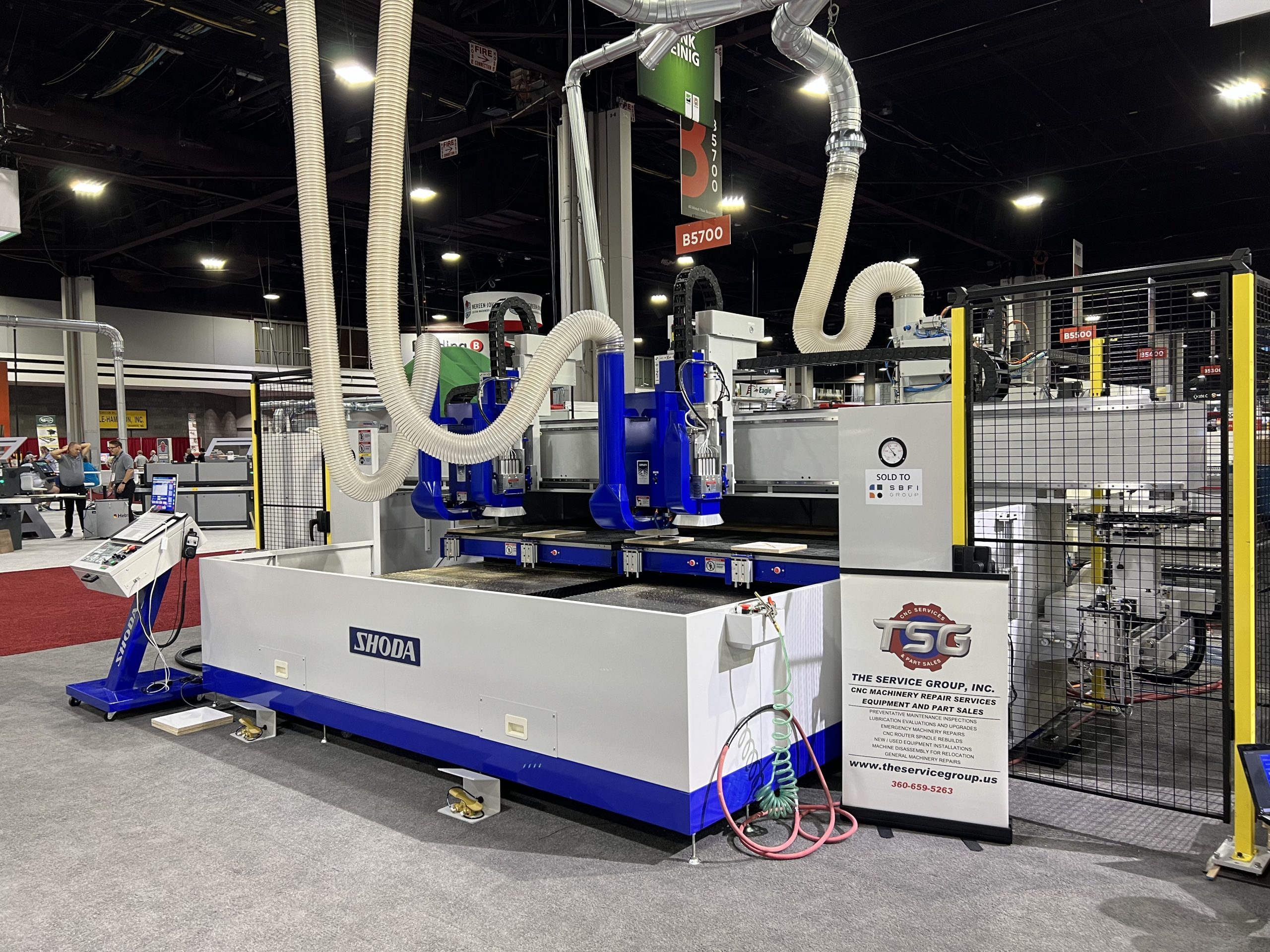
A Pioneer in Japanese CNC Router Technology
SHODA has been in business since 1926 and was the first company in Japan to develop an NC router. With a long history of precision machining, the company’s CNC routers are used to process a variety of materials—such as plastics, resins, and lightweight metals—with proven accuracy and reliability.
In 2014, SHODA developed a new type of NC router that doesn’t produce cutting dust. In many manufacturing environments, dust from machining can pose serious health risks if inhaled over long periods. SHODA’s solution to this issue has gained attention worldwide and is now used across the U.S., Europe, and Asia.