
Import CNC Router from Japan
Table of Contents
Considering Direct Import? A Guide to Bringing Japanese CNC Routers Straight to the U.S.
Japanese-made CNC (Numerical Control) routers are known for their exceptional cutting accuracy, durability, and advanced functionality. This article outlines how to directly import these high-performance machines from Japan. If you’re looking to bypass middlemen and access the latest models quickly and cost-effectively, read on.
Advantages of Directly Importing Japanese CNC Routers
By importing directly from Japanese manufacturers, you can avoid distributor markups and reduce overall procurement costs. This allows you to acquire high-precision, high-durability, and feature-rich Japanese CNC routers at a more competitive price point. Direct communication with the manufacturer may also open the door to more flexible support and customization options.
Challenges of Direct Importing Japanese CNC Routers
When importing without going through a distributor, you are responsible for handling logistics, customs clearance, and after-sales support on your own. Language barriers and cultural differences can make negotiations more complex. If the machine breaks down, arranging repairs or securing replacement parts may also be more difficult.
How to Import a Japanese CNC Router: Step-by-Step
The direct import process generally involves five key steps:
- Review product specifications, pricing, and warranty terms via the manufacturer’s website or catalog.
- Request a quote and negotiate contract terms, lead times, and payment options.
- Finalize your purchase and sign the agreement.
- Work with the manufacturer to obtain necessary inspection certificates and export documents prior to shipment.
- Once the product arrives in your country, complete customs procedures and pay any duties or import taxes to receive the machine.
Shipping by Sea: Container Options and Process Overview
For large CNC routers, sea freight (container shipping) is a practical solution. However, depending on the size and quantity of the shipment, delivery may take anywhere from several weeks to a few months.
The typical process involves coordination with a freight forwarder to arrange either FCL or LCL shipments:
FCL (Full Container Load)
If you’re importing large CNC routers for use in factories or research facilities, FCL is often the preferred method. A full 20-foot container is usually reserved for the shipment, making it more costly but ideal for large equipment.
LCL (Less than Container Load)
For smaller tabletop CNC routers, LCL can be more cost-effective. Your shipment will be combined with others, and pricing will depend on the volume and weight of your cargo.
Estimated Costs for Shipping by Sea (Container Transport)
For a general idea of shipping expenses, we recommend referencing cost estimates published by JETRO (Japan External Trade Organization), which provides data on business expansion costs in various global cities.
According to JETRO's 2024 report, shipping a 40-foot container from Tokyo Port (Japan) to the Port of Los Angeles (USA) costs approximately USD 8,600 (¥1,257,320). This figure includes both basic ocean freight charges and drayage fees.
A CNC router weighing around 2,000 kg can typically fit in a single 20-foot container. Based on this, the estimated shipping cost would be about USD 4,300.
Source: Japan External Trade Organization (JETRO) – 2024 Business Costs Report for Asia-Pacific & Japan. See Section 26: “Container Transport (40ft Container) – Imports to Japan from Tokyo”
https://www.jetro.go.jp/world/business_environment/cost.html
Air Freight: Key Features and Shipping Process
Air freight offers faster delivery times compared to sea freight, making it ideal for urgent shipments. However, it is significantly more expensive and subject to strict weight limitations, making it less suitable for importing large CNC routers.
To use air freight, it is standard practice to work with a freight forwarder or logistics company to book and arrange the shipment.
Characteristics and Estimated Costs of Air Freight
Let’s use pricing from NIPPON EXPRESS’s international air shipping service "Jetpack (Export)" as a reference.
Shipping fees are determined by destination and weight, with a maximum weight limit of 100 kg. Based on the most recent rates as of February 20, 2025, shipping a 100 kg product from Japan to the United States costs approximately USD 154,000.
Source: NIPPON EXPRESS | Price List (last updated February 20, 2025)
https://www.nittsu.co.jp/sky/express/pdf/jpex_price_country.pdf
*Information and prices listed may change without notice. Please verify details with the official source.
While sea freight is more suitable for bulk shipments and offers cost savings, it takes significantly longer for products to arrive. In contrast, air freight delivers much faster but tends to be more expensive. Other options, such as international courier services, may also be available. Shipping costs vary based on distance, weight, insurance, and other factors, so it's important to request quotes from multiple providers and compare before making a decision.
How to Check Tariffs and Import Taxes
Tariffs are taxes imposed at the border on goods imported from abroad and are added directly to the product’s cost. Import taxes may include tariffs as well as other domestic charges such as VAT or other regulatory fees.
To determine the correct import duties, identify the HS (Harmonized System) code for the specific CNC router you plan to import. You can then consult your country’s customs website or relevant trade authorities to confirm the most up-to-date tariff and import tax rates.
Note that HS codes can vary depending on the machine’s application, construction, and the materials it is designed to process. It may also be helpful to consult with local customs brokers or international trade professionals.
Key Tips for Smooth Direct Importing
The key to a smooth direct import experience is finding a reliable Japanese manufacturer. Once you’ve chosen the right supplier, the rest of the process—negotiations, communication, logistics—tends to go much more smoothly.
Look for companies with a proven track record of exporting products globally. Consider their response speed during negotiations, the quality of customer reviews, and overall professionalism to assess reliability.
It’s also important to work closely with local customs and logistics partners. Make sure all contract terms, delivery schedules, and warranty details are clearly defined, and prepare contingency plans in case of any unexpected issues.
This media is sponsored by The SHODA Company
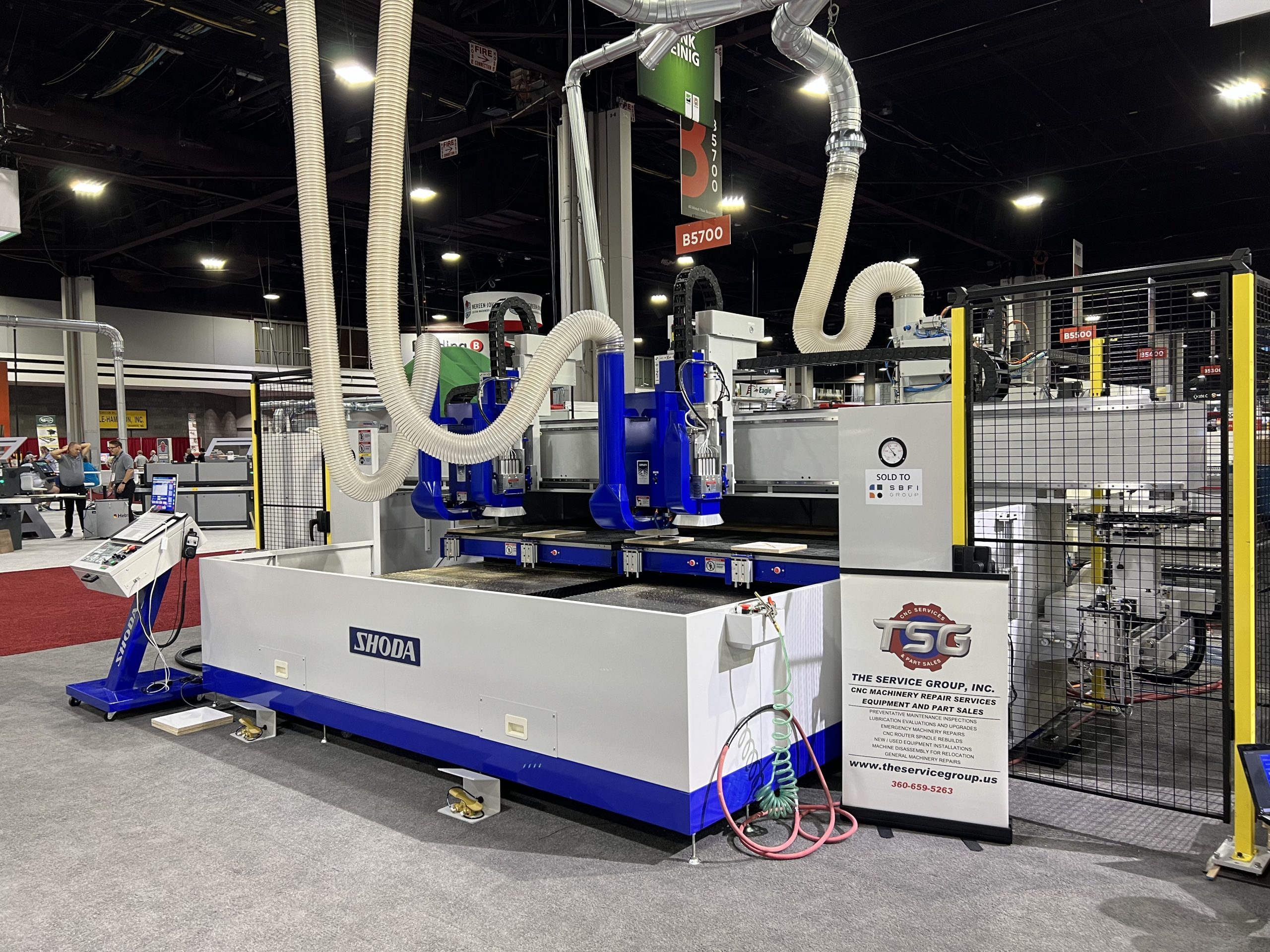
A Pioneer in Japanese CNC Router Technology
SHODA has been in business since 1926 and was the first company in Japan to develop an NC router. With a long history of precision machining, the company’s CNC routers are used to process a variety of materials—such as plastics, resins, and lightweight metals—with proven accuracy and reliability.
In 2014, SHODA developed a new type of NC router that doesn’t produce cutting dust. In many manufacturing environments, dust from machining can pose serious health risks if inhaled over long periods. SHODA’s solution to this issue has gained attention worldwide and is now used across the U.S., Europe, and Asia.